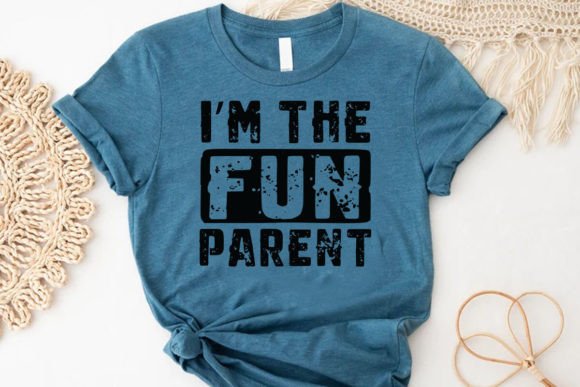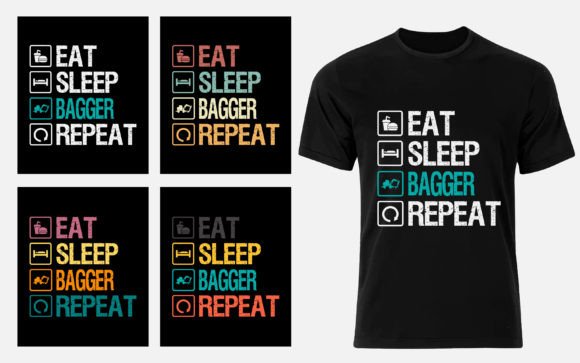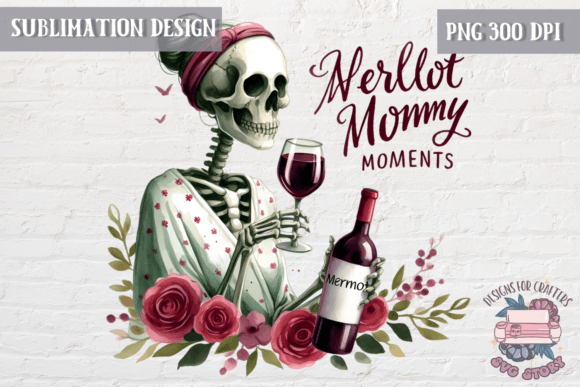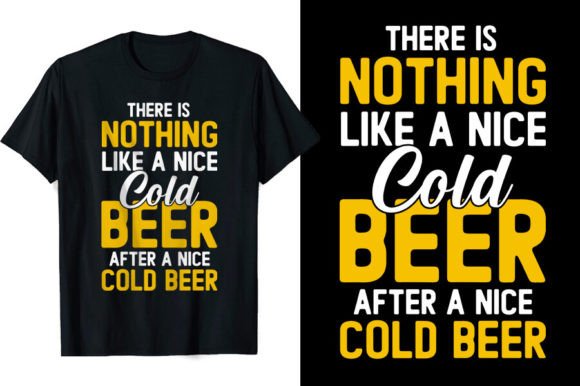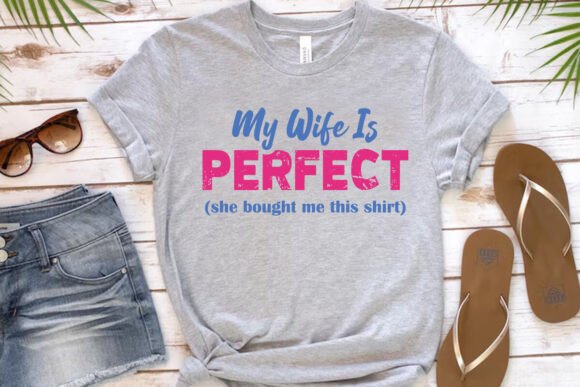
Funny Husband T-Shirts Graphics and T-Shirt Designs
As a brand designer and content marketer, I spend most of my day dissecting visual assets to determine if they hold up under the pressure of real-world marketing campaigns. We often look for sleek, minimalist vectors or hyper-modern illustrations, but there is a specific niche where humor and relatability drive conversion: the lifestyle and gifting market. Recently, I reviewed a graphic design asset titled Funny Husband T-Shirts. This review isn’t just about the artwork itself; it is about how this creative design functions as a commercial tool for small business branding, social media engagement, and product promotion.
The initial impression of Funny Husband T-Shirts is one of immediate approachability. In a digital landscape saturated with polished corporate aesthetics, this PNG design offers a breath of fresh air. It creates a mood that is casual, witty, and highly shareable. For brand owners targeting spouses, gift-givers, or couples who enjoy lighthearted banter, this asset signals that the brand understands the customer’s sense of humor. It does not feel like a premium luxury item, nor does it attempt to be serious editorial design. Instead, it fits perfectly into handmade products, lifestyle content, event promotions, and commercial marketing materials aimed at a broad, mass-market audience.
Real-World Application in Content Marketing Campaigns
To understand the true value of Funny Husband T-Shirts, we must look at it through the lens of a live marketing project. Imagine you are launching a new seasonal offer for Valentine’s Day or an anniversary sale. Your goal is to refresh your social media visuals and build a cohesive content kit that drives traffic to your online store. You need graphics that stop the scroll without looking messy or unprofessional.
This design asset supports that workflow beautifully. When used as a hero graphic or campaign header, Funny Husband T-Shirts anchors the visual hierarchy. It draws the eye immediately because of its inherent emotional tone—humor. Unlike abstract shapes or generic clipart, this illustration carries a narrative. It invites the viewer to read, smile, and engage. For a small business owner preparing a digital campaign, using this asset reduces the cognitive load on the audience. The message is clear: this product is fun, affordable, and perfect for gifting.
I also tested this asset within a broader brand identity framework. If you are selling merchandise, stickers, or printable designs, consistency is key. Funny Husband T-Shirts can serve as a recurring decorative brand element across various touchpoints. It works seamlessly on packaging inserts, giving customers a delightful unboxing experience. It pairs well with bold sans serif fonts for headlines and handwritten fonts for personal touches, creating a balanced visual hierarchy that feels curated rather than chaotic.
Performance Across Digital Channels
In modern content marketing, versatility is non-negotiable. A design asset must perform well across multiple formats, from high-resolution web banners to compressed mobile ads. Here is how Funny Husband T-Shirts performs in specific marketing situations:
- Social Media Graphics: On Instagram posts and Facebook ads, the humor translates well. The design stands out against clean white backgrounds or pastel color palettes. It is ideal for carousel posts where you want to showcase different angles of the t-shirt or pair the image with user-generated content testimonials.
- Pinterest Pins: Pinterest is a visual search engine driven by inspiration. This graphic acts as a strong lead magnet visual. When paired with text overlays like "Best Gift for Him" or "Funny Anniversary Ideas," it drives high click-through rates. The illustrative style fits naturally within the platform’s aesthetic of lifestyle and DIY inspiration.
- Email Banners: For newsletter campaigns, this asset adds personality to your email headers. It breaks up the monotony of standard promotional text and reinforces your brand voice as friendly and accessible.
- Product Labels and Packaging: If you are printing physical goods, this design can be adapted for product labels. It enhances product presentation by adding a layer of emotional connection before the customer even tries on the shirt.
Furthermore, this asset supports stronger recognition and improved audience trust. When potential customers see a consistent, professional-looking design across your website headers, digital ads, and social profiles, they perceive your business as established and reliable. Even though the subject matter is humorous, the execution of the graphic design asset ensures that the brand does not appear amateurish.
Strategic Placement and Visual Hierarchy
To maximize the impact of Funny Husband T-Shirts, placement matters. It excels as a central focal point in promotional banners and editorial layouts. When designing for web design or digital product visuals, use this asset to create contrast. Place it against solid colors or subtle textures to ensure it remains the star of the composition.
It is particularly effective in content bundles where you are offering multiple related items. For example, if you are selling a bundle of matching couple shirts, this graphic can serve as the primary visual anchor, with smaller details supporting it. In Canva templates, this SVG design or PNG design can be easily resized and repositioned, allowing marketers to create scalable marketing visuals without losing quality.
However, every asset has limitations. There are scenarios where Funny Husband T-Shirts should be used carefully. Avoid placing it in formal corporate branding contexts where professionalism and seriousness are paramount. It is also ill-suited for dense information layouts or low-contrast backgrounds where readability might suffer. If your brand is overly minimal, this illustrative style might clash with your existing aesthetic unless handled with extreme care regarding spacing and balance.
Practical Brand Designer Notes for Implementation
Before integrating Funny Husband T-Shirts into your commercial design projects, consider these technical and strategic checks:
- Color Palette Testing: Test the asset with your brand color palette. Ensure the colors in the graphic complement, rather than compete with, your primary brand hues. Adjust opacity or add drop shadows if necessary to improve legibility.
- Black and White Usage: Check how the design looks in monochrome. This is crucial for print-on-demand services that may offer black or white base shirts. The outline and details must remain distinct without color cues.
- Mobile Preview: Preview the asset on mobile screens. Small mobile graphics require simplicity. If the text or intricate details become muddy at small sizes, simplify the surrounding elements to let the graphic breathe.
- Typography Pairing: Experiment with font pairings. Compare the graphic against serif fonts for a classic look, sans serif fonts for modern clarity, script fonts for elegance, and display fonts for impact. The right font choice can elevate the asset from a simple image to a cohesive brand statement.
- Competitor Analysis: Review how competitor visuals handle similar themes. Ensure your use of Funny Husband T-Shirts feels unique and adds value to your specific niche.
- Licensing Verification: Most importantly, confirm commercial licensing. Before using this in paid campaigns, client work, or business branding, ensure you have the rights to reproduce and sell derivatives. This protects your small business from legal issues and maintains professional branding standards.
Ultimately, Funny Husband T-Shirts is more than just a funny image; it is a strategic communication tool. It bridges the gap between product and emotion, helping brands connect with audiences on a human level. For creative entrepreneurs, digital sellers, and online coaches looking to expand their merchandising offerings, this graphic design asset provides a reliable foundation for engaging content. By applying careful attention to visual hierarchy, color theory, and licensing compliance, you can leverage this design to boost engagement, strengthen first impressions, and drive sales in a crowded marketplace.