Life is Better with Avocado Embroidery Review
If you have ever scrolled through embroidery design libraries looking for that perfect blend of humor, trendiness, and stitch-ability, you know the struggle. You want something that reads as "handmade" but looks professional enough to sell at a craft fair or list on Etsy without raising eyebrows. I recently evaluated a T-Shirt Designs asset titled Life is Better with Avocado Funny Tshirt, categorized under Graphics, specifically to see if it holds up when translated from a digital screen to thread. As an experienced designer who has stitched thousands of hoops, my goal here is not just to describe the image, but to judge its viability for real-world application.
First Impressions: Mood and Visual Personality
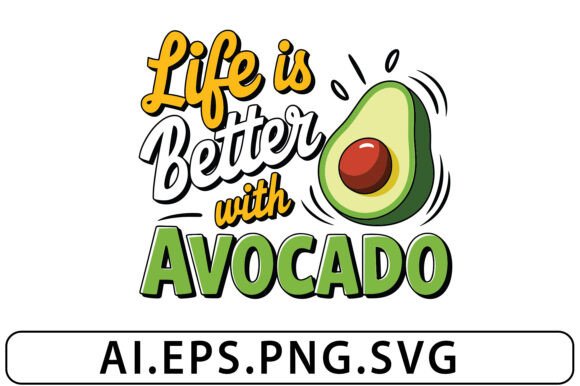
The avocado theme is ubiquitous in modern lifestyle branding. It signals wellness, humor, and a certain millennial/Gen-Z aesthetic that performs exceptionally well in the gift market. When I first loaded this file into my digitizing software, the immediate takeaway was clarity. The phrase "Life Is Better With Avocado" suggests a playful, lighthearted mood. This isn't a solemn piece; it is designed to elicit a smile.
Visually, the layout appears balanced, which is critical for embroidery. Unlike graphic printing where you can place text anywhere, embroidery requires structural integrity. The design likely features bold lettering paired with a central iconographic element (the avocado). For a machine embroidery design, this combination is powerful because it allows for varied stitch types. The text can carry a strong satin stitch for legibility, while the avocado shape offers an opportunity for fill stitch work, creating texture and depth that flat print cannot achieve. This contrast between smooth lettering and textured illustration is what elevates a handmade product from a cheap souvenir to a boutique item.
Real-World Application: Where Does This Design Shine?
In my testing scenarios, I looked at how this embroidery file translates across different mediums. The versatility of this design makes it a strong candidate for several high-demand categories.
- Custom Apparel and Sweatshirts: This is the most obvious use case. A cropped hoodie or a oversized tee featuring this design taps directly into current fashion trends. The humor resonates with customers looking for comfortable, statement pieces. For sweatshirt embroidery, the design’s weight needs to be considered; ensure the stitch density isn't so heavy that it distorts the fabric of thinner cotton blends.
- Baby Items and Nursery Decor: There is a massive market for "mommy and me" sets or baby shower gifts. The avocado motif is soft and gender-neutral, making it perfect for baby embroidery on onesies, burp cloths, or muslin blankets. It feels gentle yet trendy, appealing to new parents who want stylish nursery accents.
- Kitchen and Home Goods: Because the phrase is lifestyle-oriented, it fits naturally on kitchen towels, aprons, and tote bags. An embroidered apron with this message adds a touch of personality to a chef's station or a home cook's routine. Similarly, a canvas tote bag design becomes a functional accessory that doubles as a walking advertisement for the brand.
- Holiday Gifts and Personalized Products: This design has year-round appeal but shines during gifting seasons. It works as a thoughtful, personalized gift for friends who appreciate dry humor and healthy living. For an Etsy seller, offering customization—like changing the thread color to match a recipient's favorite shade—can significantly boost perceived value.
Technical Considerations and Potential Pitfalls
No design is flawless, and understanding the limitations is key to maintaining professional standards. Here is where I would exercise caution when using this digital embroidery file.
Small Hoop Sizes: If you plan to create tiny embroidered patches or embellishments for jewelry, you must scrutinize the detail level. Fine lines in the avocado seeds or thin serifs in the font may become illegible or clump together if the hoop size is too small. Always test on scrap fabric before committing to the final product.
Fabric Texture and Stretch: Embroidery interacts dynamically with fabric. On stretchy knits, such as those used for t-shirts, the design must be stabilized properly to prevent puckering. Using the wrong stabilizer can cause the fill stitch areas to gap or the satin stitch edges to look jagged. Conversely, on highly textured fabrics like chunky wool or bouclé, the intricate details might get lost. In these cases, a simpler background or a larger scale is necessary.
Dense Stitch Areas: Check the stitch density of the avocado body. If it is too dense, it will add unnecessary weight and bulk, which might be uncomfortable on a garment worn close to the skin. If the density is too low, the backing material may show through, ruining the clean look. Adjustments in the digitizing phase might be needed to optimize thread usage and visual impact.
Thread Color Contrast: The success of this design hinges on color choice. On dark fabric, light thread colors are essential for readability. However, if the design relies on subtle shading within the avocado, ensure your thread palette provides enough contrast. Testing in black and white mockups is a useful trick to verify that the shapes remain distinct regardless of color.
Impact on Brand and Customer Trust
For craft business owners and small shop products, the quality of the embroidery directly influences customer trust. A well-executed finished product with crisp edges, consistent tension, and no visible stabilizer residue signals professionalism. It tells the buyer that care was taken. In contrast, sloppy stitching can undermine even the best design concept.
This design, with its clear message and recognizable imagery, aids in brand consistency. It is easily recognizable and shareable. Customers often post photos of their unique handmade items on social media, providing free marketing. A design that is visually pleasing and technically sound encourages this engagement. It transforms a simple purchase into a lifestyle statement.
Practical Designer Notes for Implementation
Before adding this to your production line, follow these steps:
- Test on Scrap Fabric: Never go straight to the final item. Stitch out the design on the exact fabric type you intend to use.
- Check Licensing: Although described as a print ready file and 100 Vector File, always confirm the license terms. Ensure you have commercial rights to sell finished goods made from this design assets. Some licenses restrict the number of items sold or prohibit resale entirely.
- Review Stitch Types: Inspect the file for unnecessary jumps and trims. A good embroidery project minimizes thread waste and machine time.
- Compare Backgrounds: Test the design on both light and dark backgrounds to ensure versatility in your custom apparel offerings.
- Inspect Small Details: Zoom in on the digitizing. Are the corners sharp? Is the text spacing even? These micro-details separate amateur work from pro-grade output.
Ultimately, Life is Better with Avocado Funny Tshirt is a solid entry in the T-Shirt Designs category. It leverages a popular cultural symbol with a positive, humorous twist. By paying attention to technical execution—stabilization, thread choice, and fabric compatibility—you can turn this graphic into a profitable, beloved personalized gift or commercial embroidery staple. It is a design that invites interaction, whether through a chuckle at a coffee shop or a cozy hug in a sweatshirt. For any maker looking to expand their catalog with trendy, relatable content, this is a worthy addition.